Search is changing fast. For years, business owners focused mainly…
Read More


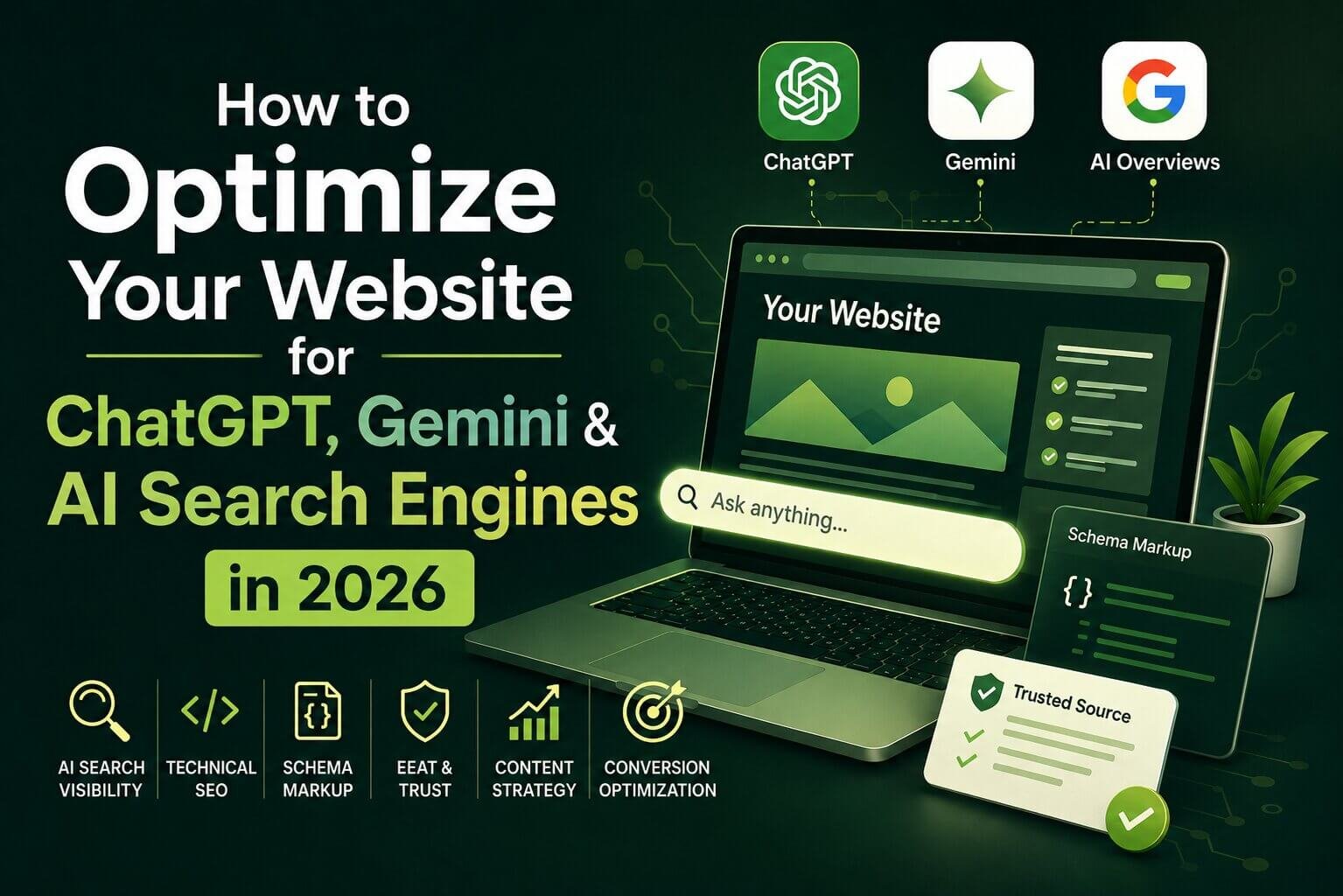
Search is changing fast. For years, business owners focused mainly on ranking on Google’s traditional search results page. In 2026, that is no longer enough. Customers are now asking questions directly inside AI-powered search experiences such as ChatGPT, Google Gemini, Google AI Overviews, Google AI Mode, Bing Copilot, Perplexity, and other answer engines.
This does not mean SEO is dead. In fact, the opposite is true. AI search still depends heavily on discoverable, crawlable, trustworthy, well-structured web content. The businesses that win in AI search are usually the ones that already have strong technical SEO, clear content, credible expertise, structured data, and a website experience that converts visitors into leads or customers.
For small businesses, service companies, ecommerce brands, and local professionals, this creates a major opportunity. Many competitors are still writing generic blog posts, using outdated SEO methods, or relying only on ads. If your website can clearly explain who you are, what you do, where you serve, why you are trustworthy, and how your services solve real customer problems, you have a better chance of being discovered, cited, recommended, and trusted by AI-powered search systems.
This guide explains how to optimize your website for ChatGPT, Gemini, and AI search engines in 2026 without using shortcuts, fake claims, or risky tactics.
AI search optimization is the process of making your website easier for AI-powered search engines and answer engines to discover, understand, trust, and use as a helpful source.
You may see terms such as:
These terms are useful, but the foundation is still SEO. Google has also made it clear that optimizing for generative AI search experiences is not a completely separate discipline from SEO. The same fundamentals still matter: helpful content, crawlability, technical quality, clear page structure, accessibility, fast user experience, and trustworthy information.
The difference is how users are receiving answers. Instead of only clicking a blue link, users may now see a generated answer that summarizes multiple sources. In some cases, AI tools may mention a business, recommend a solution, cite a page, or use website content to support an answer.
That means your website does not only need to rank. It needs to be understandable, credible, and useful enough to be selected.
Business owners are already changing how they search. Instead of typing “best website design agency near me,” they may ask:
“What is the best website development company for a small business in Los Angeles?”
Or:
“How do I make my Shopify website faster and better for SEO?”
Or:
“What should I fix on my website before running Google Ads?”
AI tools are designed to answer these conversational questions quickly. For businesses, this creates both a risk and an opportunity.
The risk is that weak websites may become invisible. If your service pages are thin, your content is vague, your site structure is confusing, your schema is missing, or your business information is inconsistent, AI systems may have very little reason to trust or mention your website.
The opportunity is that credible, well-structured businesses can stand out. AI search rewards clarity. A business that explains its services, process, pricing factors, location, expertise, FAQs, case studies, and customer outcomes is easier for both humans and AI systems to understand.
For a company like EK Group Inc., this is especially important because website design, development, SEO, AI SEO, and conversion optimization are now connected. A modern website cannot simply look good. It must be technically strong, content-rich, AI-readable, and built to generate business results.
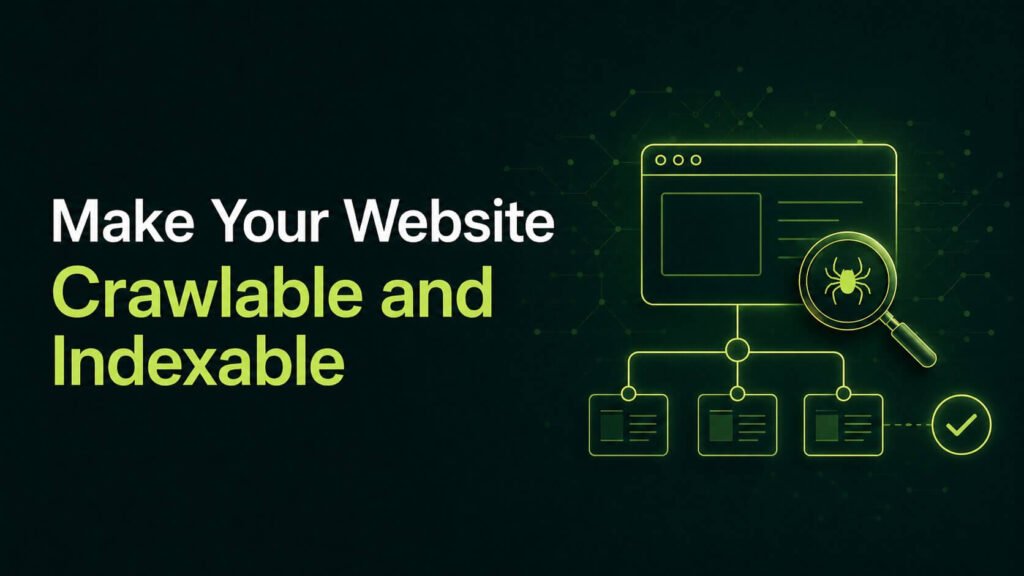
Before thinking about ChatGPT, Gemini, or AI Overviews, start with the basics. AI search systems cannot easily use your content if your website cannot be crawled, indexed, or accessed properly.
Your website should have:
For Google’s AI features, website owners can use existing search controls such as robots meta tags, nosnippet, max-snippet, and data-nosnippet to manage how content may appear in search experiences. This means your technical SEO setup directly affects how your content can participate in search and AI search features.
For ChatGPT search, OpenAI documents different crawlers. OAI-SearchBot is used for surfacing websites in ChatGPT search features, while GPTBot is associated with model training. If a site blocks the wrong crawler, it may limit its visibility in ChatGPT search experiences.
This is why businesses should not blindly block AI crawlers without understanding the difference between search visibility, live browsing, and training access. A professional technical SEO audit can help you decide what to allow, what to block, and how to protect your content while still staying visible.
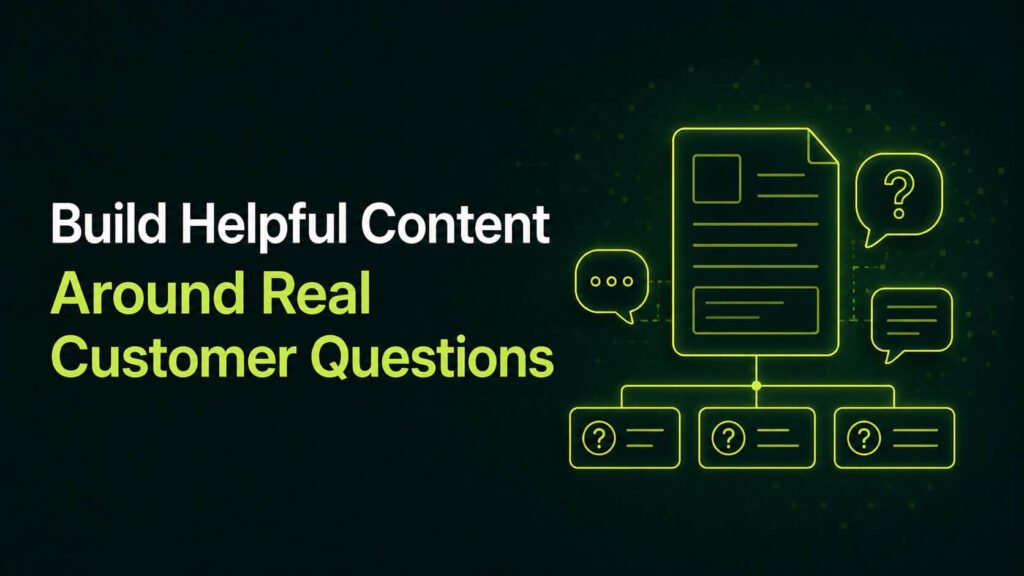
AI search is strongly question-driven. People ask full questions, not just short keywords.
For example, a traditional keyword may be:
“website development Los Angeles”
But an AI-style search may be:
“What should a small business include on its website to get more leads?”
Or:
“How much does a professional WordPress website cost for a service business?”
To optimize for this behavior, your content strategy should focus on real customer problems. Every important page should answer the questions buyers ask before they contact you.
For a website development and SEO company, strong article topics may include:
The goal is not to publish random content. The goal is to build topical authority. If your website consistently answers important questions around web design, development, SEO, AI SEO, and conversion, search engines can better understand your expertise.
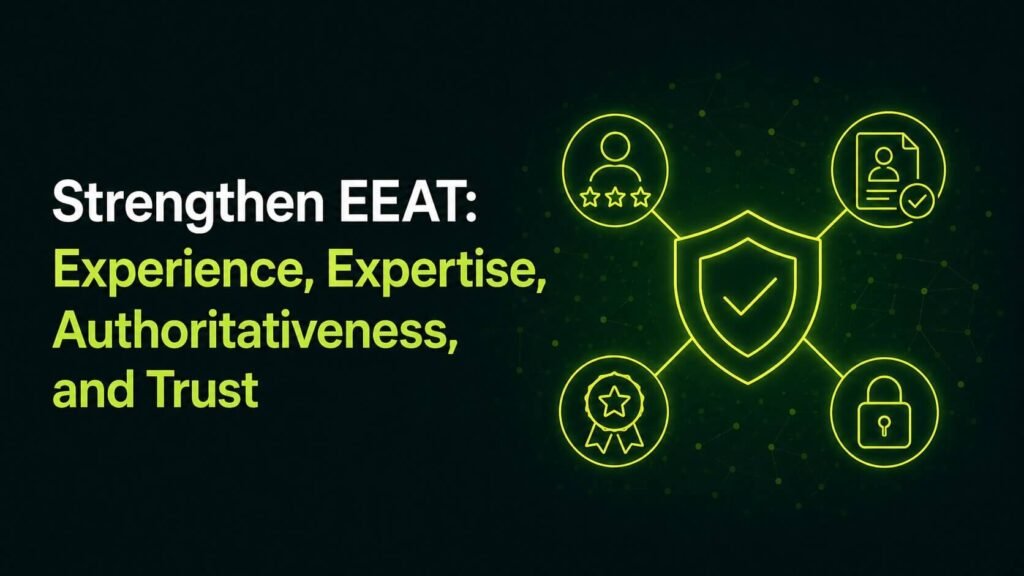
AI search makes trust more important, not less.
Google’s quality systems have long emphasized helpful, reliable, people-first content. In AI search, this becomes even more important because generated answers need reliable sources. If your content sounds generic, anonymous, or unsupported, it is less likely to build confidence.
To improve EEAT, your website should include:
For example, if you write about schema markup, cite Google Search Central. If you write about ChatGPT search visibility, refer to OpenAI’s crawler documentation. If you write about Bing Copilot visibility, use Bing Webmaster Guidelines. This shows readers that your advice is based on real sources, not guesswork.
For business owners, EEAT also means showing proof. A web design agency should not only say “we build high-performance websites.” It should show what platforms it works with, what problems it solves, what results it targets, and what clients can expect from the process.
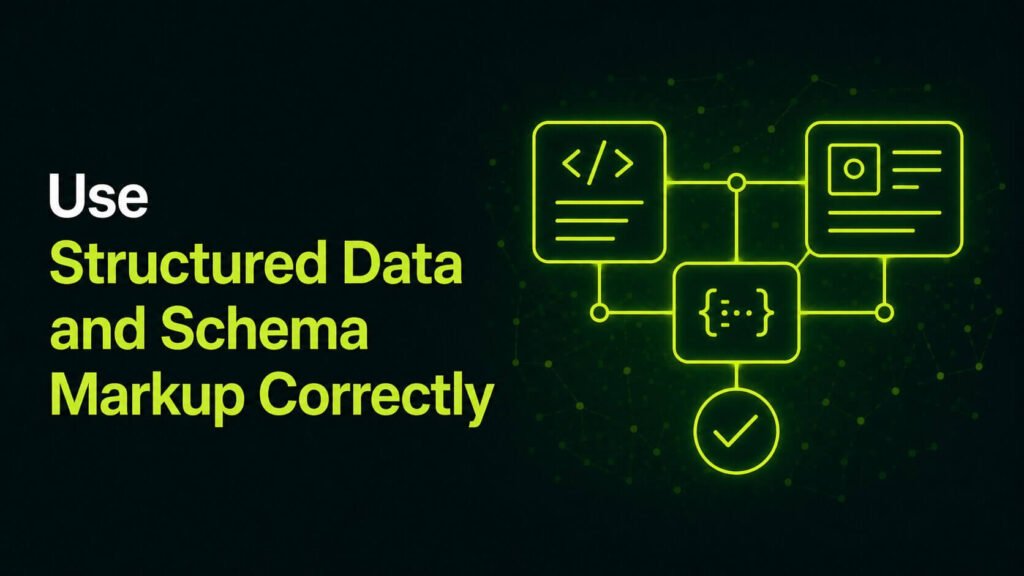
Schema markup helps search engines understand your website more clearly. It does not guarantee rankings or AI citations, but it supports better interpretation of your content.
For business websites, useful schema types may include:
Google recommends JSON-LD as a supported structured data format. However, schema must match the visible content on the page. Do not add fake ratings, fake reviews, fake FAQs, or misleading service details. Structured data should describe what is genuinely present on the page.
For AI search, schema can help connect entities. For example, it can clarify:
This makes your website easier for search engines and AI systems to understand.
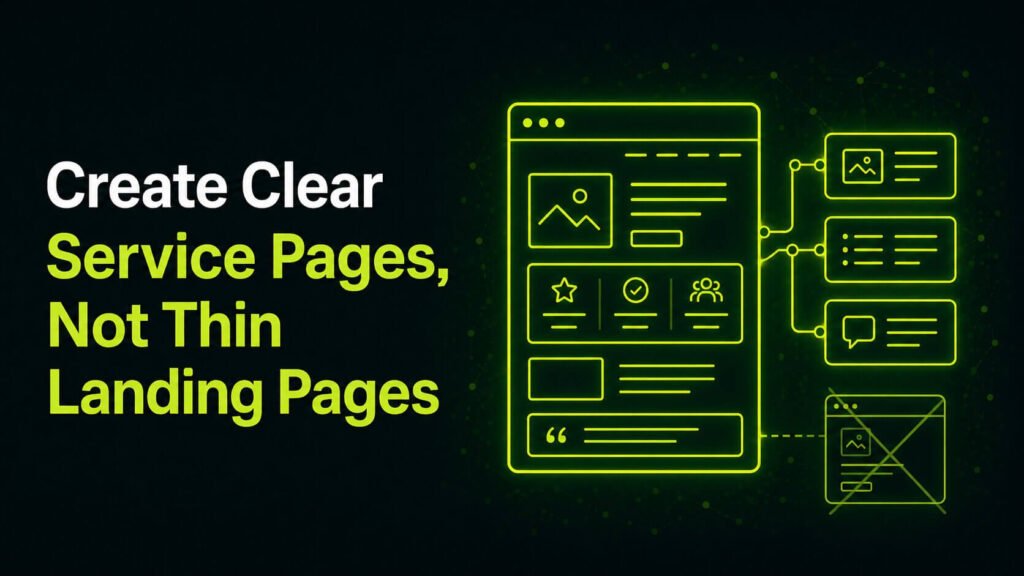
Many business websites fail because their service pages are too thin. A page may have a headline, a few bullet points, and a contact form, but very little useful information.
That is not enough for AI search in 2026.
A strong service page should explain:
For example, a “WordPress Website Design” page should not simply say “we build beautiful WordPress websites.” It should explain how the site is planned, designed, developed, optimized for SEO, secured, made mobile responsive, and prepared for conversion.
Similarly, a “Shopify Development” page should explain store setup, theme customization, product structure, speed optimization, app integration, checkout considerations, SEO setup, and conversion improvements.
AI search favors clear, complete, useful answers. Thin service pages give AI systems less context to work with.
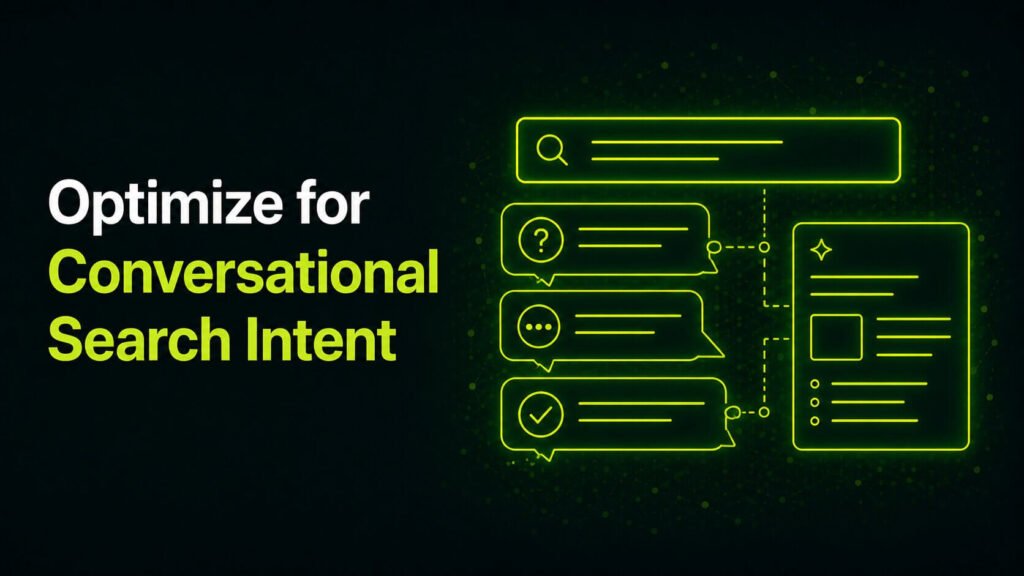
AI search queries are longer and more conversational. Your content should reflect that.
Instead of only using keyword-heavy headings, use natural questions and answer them clearly. Good headings may include:
Under each heading, answer the question directly, then add supporting explanation. This format is useful for readers and easier for AI systems to parse.
Avoid unnecessary fluff. AI search systems are built to extract useful passages. Clear explanations, short definitions, examples, and step-by-step answers can make your content more useful.
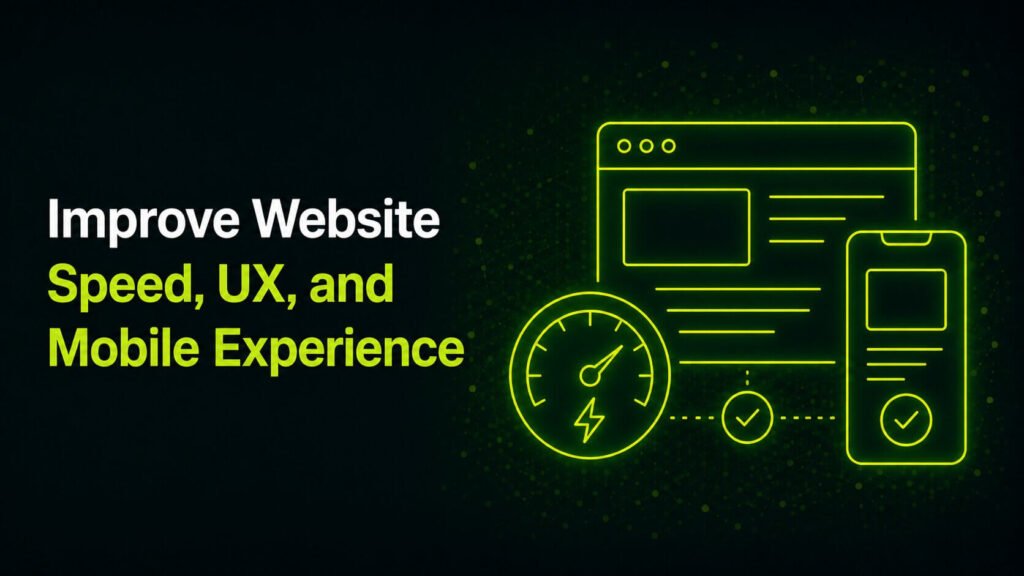
AI search optimization is not only about content. User experience still matters.
If your website is slow, confusing, hard to navigate, or not mobile-friendly, visitors may leave even if AI search sends them to your site. That means visibility without conversion.
A modern business website should have:
For local service businesses and professional service companies, the website should make it easy for visitors to call, request a quote, book a consultation, or submit an inquiry.
AI search may help users discover you, but your website still has to convert them.
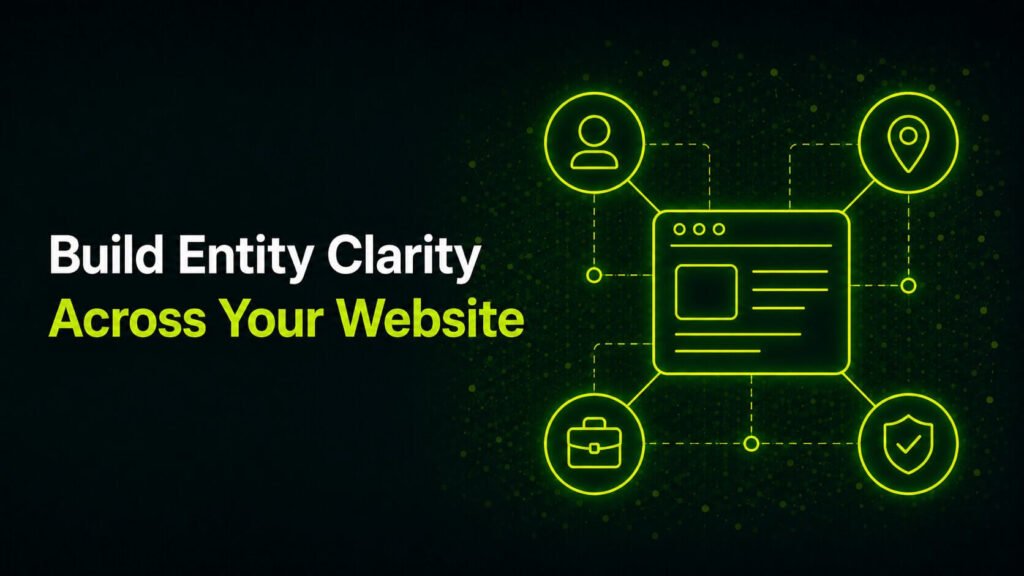
AI systems work heavily with entities. An entity can be a business, person, service, location, product, or topic.
Your website should make your business entity clear. That means your name, location, services, brand identity, and contact information should be consistent across your website and online profiles.
For EK Group Inc., important entity signals may include:
These should appear naturally across the website where relevant. Do not stuff keywords. Instead, create a consistent brand story.
Your About page, homepage, service pages, blog articles, schema, footer, Google Business Profile, and social profiles should all support the same business identity.
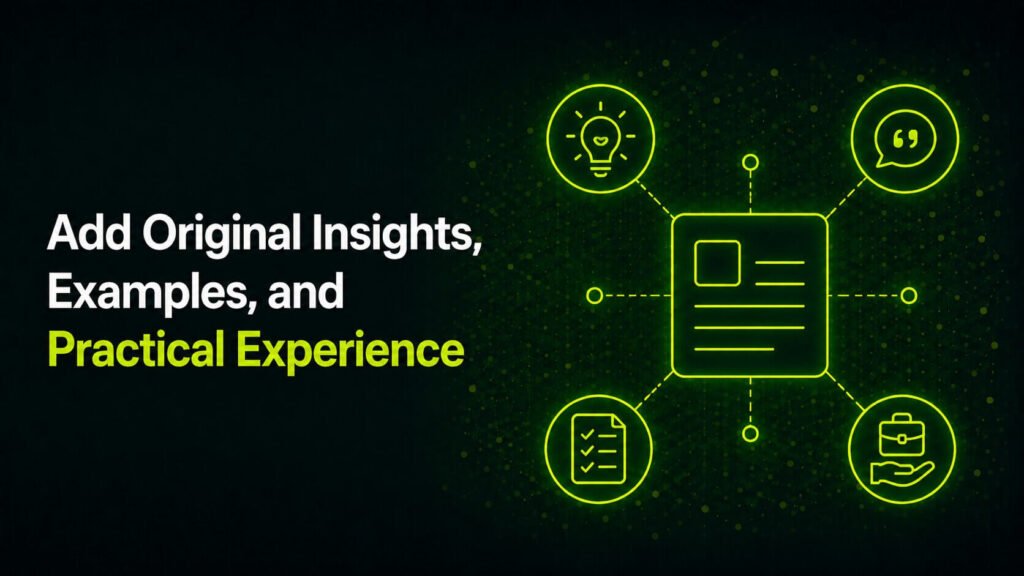
Generic AI-written content is becoming easier to detect and easier to ignore. If your article says the same thing as every other article, it gives users and AI systems little reason to prefer your website.
To stand out, include:
For example, instead of writing “improve your website speed,” explain what usually slows down a WordPress or Shopify website: oversized images, too many apps, render-blocking scripts, bloated themes, unused CSS, poor hosting, or unoptimized fonts.
Instead of saying “add schema,” explain which schema types fit a service business, ecommerce store, local business, or blog article.
This type of content demonstrates real experience.
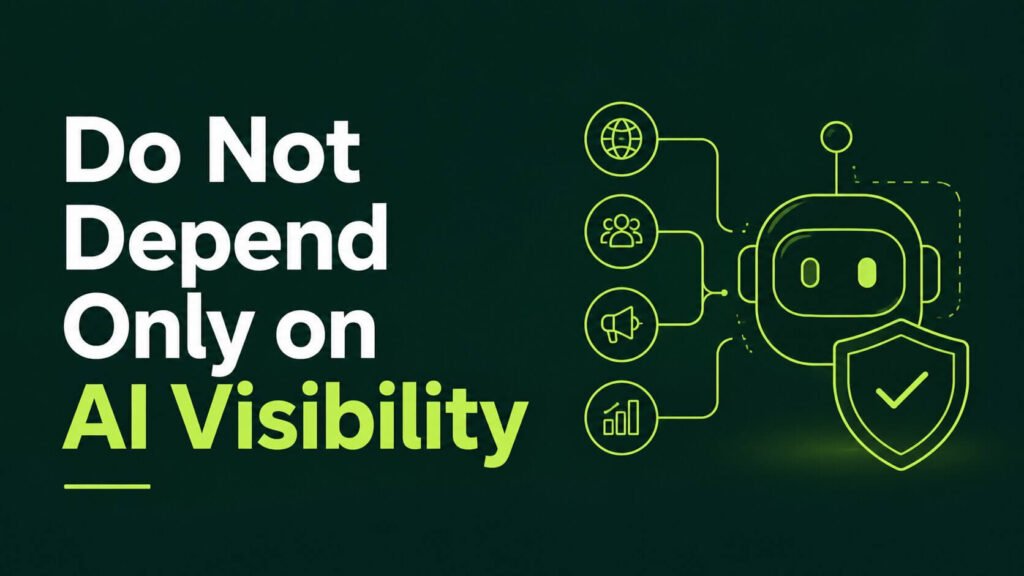
AI search is important, but it should not be your only marketing strategy. AI-generated answers may reduce clicks for some informational searches, especially when users get the answer directly on the results page.
That means businesses need a broader strategy:
The goal is not only to appear in AI answers. The goal is to build a reliable digital presence that brings qualified traffic, builds trust, and turns visitors into leads.
Use this checklist to review your website:
If you answer “no” to several of these questions, your website may not be ready for AI search.
Optimizing your website for ChatGPT, Gemini, and AI search engines in 2026 is not about chasing tricks. It is about building a website that is clear, credible, technically strong, and genuinely helpful.
AI search engines need reliable sources. Business owners need leads. Customers need trustworthy answers. A well-built website connects all three.
The future of SEO belongs to businesses that combine strong website development, technical SEO, structured data, helpful content, brand authority, and conversion-focused design.
If your website is outdated, thin, slow, or unclear, now is the time to fix it. AI search is not waiting. The businesses that prepare early will have a stronger chance of being found, trusted, and chosen.
Need help preparing your website for AI search in 2026?
EK Group Inc. builds high-performance websites on Shopify, WordPress, Webflow, and more — paired with SEO, AI search optimization, and digital marketing strategies designed to drive real business results.
Contact EK Group Inc. to audit your website, improve your AI search visibility, and turn more visitors into qualified leads.

Search is changing fast. For years, business owners focused mainly…
Read More